Multicultural education is about more than just acknowledging differences—it’s about weaving the rich tapestry of global cultures into every aspect of school life. At Hiba Academy Bay Area, this means our students don’t just learn about other cultures from a textbook; they experience diverse perspectives, traditions, and histories every single day. It’s our way of making sure every child feels seen, heard, and valued, no matter where their story begins.
Today’s children will step into a world that is more connected, complex, and culturally rich than any generation before. Simply put, multicultural education isn’t a luxury—it’s a necessity. It gives young people the tools to understand others, to navigate unfamiliar situations with confidence, and to celebrate, rather than fear, what makes us different. An inclusive, multicultural curriculum helps students develop empathy, open-mindedness, and a genuine curiosity about the world. These are the qualities that build bridges, not barriers.
When children are exposed to a variety of customs, languages, and worldviews, the world suddenly seems much bigger—and far more interesting. At Hiba Academy, we encourage our students to look beyond their own experiences. Whether it’s through our multicultural curriculum in a classroom discussion, a festival, or a simple lunchtime conversation, they’re constantly invited to see life from another point of view. This not only sparks curiosity but also lays the foundation for lifelong learning and adaptability.
It’s easy to be comfortable with what’s familiar, but real growth happens when we step outside our comfort zones. Multicultural education challenges students to explore ideas that might be new or even uncomfortable at first. As they learn about different traditions and beliefs, they discover the beauty in difference and the value of respect. It’s a lesson that lasts well beyond the classroom.
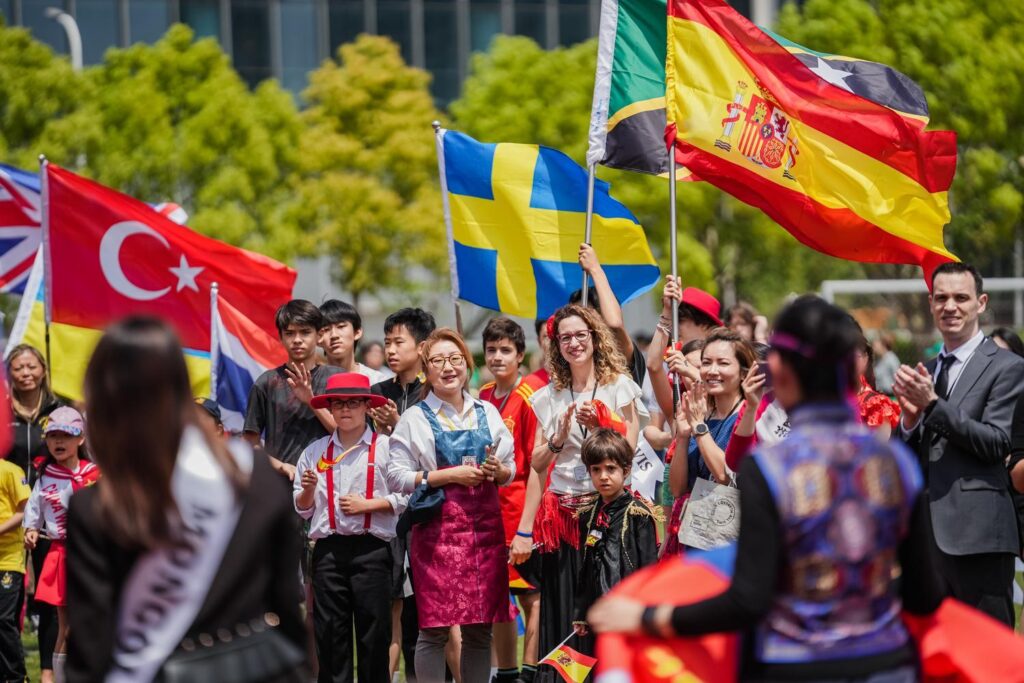
Cultural competency isn’t just a buzzword—it’s a real, practical skill. It’s about knowing how to communicate, collaborate, and build friendships across cultures. At Hiba, this happens naturally through bilingual learning, international projects, and events like our beloved food festivals. Our students quickly become confident, adaptable, and thoughtful global citizens, ready to thrive in any environment.
The world is getting smaller, and opportunities are opening up everywhere. Employers and universities now look for young people who can work in diverse teams and bring fresh, global perspectives. Our multicultural curriculum gives students a head start—they learn how to connect, collaborate, and contribute on the world stage.
When a school truly embraces multicultural education, everyone benefits. Classrooms become more welcoming, playgrounds more friendly, and the entire community feels like a place where every family belongs. Diversity isn’t just accepted—it’s celebrated.
If you’re a parent searching for a school that truly values multicultural education, ask yourself:
At Hiba Academy Bay Area, multiculturalism isn’t just part of our curriculum—it’s at the heart of our school culture. Here’s how we bring it to life:
Our students don’t just learn about the world—they experience it. They adapt easily to new situations, welcome visitors from all corners of the globe, and build friendships that span countries and cultures. By engaging with current issues in multicultural education, they develop the awareness and skills needed to thrive in diverse environments. Many of our graduates head off to top universities around the world, like Stanford, Caltech, the University of Chicago, Columbia, Brown, Oxford, and Cambridge. And they often find familiar faces from our global network already there to greet them!